


Current CSODIMM market
CSODIMM price tracking requires stricter product identity than ordinary laptop-memory searches because DDR5 SODIMM and CSODIMM can appear in nearly identical marketplace language. Cloudzat only treats a product as CSODIMM when the listing or part-number data identifies the clocked small-outline module explicitly. That helps prevent ordinary 5600 SODIMM, desktop CUDIMM, registered server memory and complete laptops from polluting the live price view.
Compare CSODIMM prices by total capacity, module count and rated MT/s. A 64GB single module, 64GB two-stick kit and 96GB two-stick kit solve different upgrade problems. Use price per GB only after matching the configuration, and confirm that your laptop or mini PC supports the exact module class before treating a low price as a deal.
Current product comparison
CSODIMM RAM Prices
| Product | Module type | Capacity / kit | Speed / timing | Last verified price | Amazon |
|---|---|---|---|---|---|
 A-Tech 64GB Kit (2x32GB) DDR5 6400MHz PC5-51200 (PC5-6400B) CL52 CSODIMM Non-ECC RAM Memory Upgrade Modules for Laptop, Notebook ComputersA-Tech | CSODIMM6,400 MT/s · CL52 | 64GB2 × 32GB | 6,400 MT/sCL52 | $1,008.99Verified September 16, 2026 · $15.77/GB | Buy on Amazon |
 A-Tech 32GB DDR5 6400MHz PC5-51200 (PC5-6400B) CL52 CSODIMM Non-ECC RAM Memory Upgrade Module for Laptop, Notebook ComputersA-Tech | CSODIMM6,400 MT/s · CL52 | 32GB1 × 32GB | 6,400 MT/sCL52 | $504.99Verified September 16, 2026 · $15.78/GB | Buy on Amazon |
 A-Tech 32GB Kit (4x8GB) DDR5 6400MHz PC5-51200 (PC5-6400B) CL52 CSODIMM Non-ECC RAM Memory Upgrade Modules for Laptop, Notebook ComputersA-Tech | CSODIMM6,400 MT/s · CL52 | 32GB4 × 8GB | 6,400 MT/sCL52 | $516.99Verified September 16, 2026 · $16.16/GB | Buy on Amazon |
 A-Tech 16GB Kit (2x8GB) DDR5 6400MHz PC5-51200 (PC5-6400B) CL52 CSODIMM Non-ECC RAM Memory Upgrade Modules for Laptop, Notebook ComputersA-Tech | CSODIMM6,400 MT/s · CL52 | 16GB2 × 8GB | 6,400 MT/sCL52 | $258.99Verified September 16, 2026 · $16.19/GB | Buy on Amazon |
 A-Tech 8GB DDR5 6400MHz PC5-51200 (PC5-6400B) CL52 CSODIMM Non-ECC RAM Memory Upgrade Module for Laptop, Notebook ComputersA-Tech | CSODIMM6,400 MT/s · CL52 | 8GB1 × 8GB | 6,400 MT/sCL52 | $129.99Verified September 16, 2026 · $16.25/GB | Buy on Amazon |
 A-Tech 64GB Kit (4x16GB) DDR5 6400MHz PC5-51200 (PC5-6400B) CL52 CSODIMM Non-ECC RAM Memory Upgrade Modules for Laptop, Notebook ComputersA-Tech | CSODIMM6,400 MT/s · CL52 | 64GB4 × 16GB | 6,400 MT/sCL52 | $1,116.99Verified September 16, 2026 · $17.45/GB | Buy on Amazon |
 A-Tech 32GB Kit (2x16GB) DDR5 6400MHz PC5-51200 (PC5-6400B) CL52 CSODIMM Non-ECC RAM Memory Upgrade Modules for Laptop, Notebook ComputersA-Tech | CSODIMM6,400 MT/s · CL52 | 32GB2 × 16GB | 6,400 MT/sCL52 | $558.99Verified September 16, 2026 · $17.47/GB | Buy on Amazon |
 A-Tech 16GB DDR5 6400MHz PC5-51200 (PC5-6400B) CL52 CSODIMM Non-ECC RAM Memory Upgrade Module for Laptop, Notebook ComputersA-Tech | CSODIMM6,400 MT/s · CL52 | 16GB1 × 16GB | 6,400 MT/sCL52 | $279.99Verified September 16, 2026 · $17.50/GB | Buy on Amazon |
 Sam Original 32GB (2x16GB) DDR5 6400MHz PC5-51200 CSODIMM 1Rx8 CL52 1.1v Laptop Notebook Memory Module Upgrade RAM M435R2GA3PB1-CCP AdamantaAdamanta | CSODIMM6,400 MT/s · CL52 · Single-rank | 32GB2 × 16GB | 6,400 MT/sCL52 | $579.00Verified September 16, 2026 · $18.09/GB | Buy on Amazon |
 Sam Original 16GB (1x16GB) DDR5 6400MHz PC5-51200 CSODIMM 1Rx8 CL52 1.1v Laptop Notebook Memory Module Upgrade RAM M435R2GA3PB1-CCP AdamantaAdamanta | CSODIMM6,400 MT/s · CL52 · Single-rank | 16GB1 × 16GB | 6,400 MT/sCL52 | $290.00Verified September 16, 2026 · $18.13/GB | Buy on Amazon |
 Samsung 32GB (2x16GB) DDR5 6400MHz PC5-51200 CSODIMM Clocked SODIMM 1Rx8 Single Rank CL52 1.1V 262-Pin Non ECC Unbuffered Laptop Notebook RAM Memory M435R2GA3PB1-CCPSamsung | CSODIMM6,400 MT/s · CL52 · Single-rank | 32GB2 × 16GB | 6,400 MT/sCL52 | $648.00Verified September 16, 2026 · $20.25/GB | Buy on Amazon |
 Samsung 16GB (1x16GB) DDR5 6400MHz PC5-51200 CSODIMM Clocked SODIMM 1Rx8 Single Rank CL52 1.1V 262-Pin Non ECC Unbuffered Laptop Notebook RAM Memory M435R2GA3PB1-CCPSamsung | CSODIMM6,400 MT/s · CL52 · Single-rank | 16GB1 × 16GB | 6,400 MT/sCL52 | $324.50Verified September 16, 2026 · $20.28/GB | Buy on Amazon |
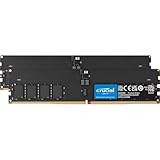 Crucial Technology CT2K32G64C52CU5 Crucial 64gb Kit [2x32gb] Ddr5-6400 Cudimm Cl52 [16gbit]Crucial | CSODIMM6,400 MT/s · CL52 | 64GB2 × 32GB | 6,400 MT/sCL52 | $1,299.00Verified September 16, 2026 · $20.30/GB | Buy on Amazon |
 Mavark Micron 16GB DDR5-6400 (PC5-6400B) CSODIMM/SODIMM Memory Module 1.1 V Low-Voltage, MTC8C1084S1VC64BD1 for Alienware HP Dell Lenovo Asus Laptops and All in one DesktopMavark | CSODIMM6,400 MT/s · Single-rank | 16GB1 × 16GB | 6,400 MT/sTiming not listed | $329.00Verified September 16, 2026 · $20.56/GB | Buy on Amazon |
 Genuine OEM Hynix 16GB PC5-6400B CSODIMM SO-DIMM Laptop Memory HMCC78AHBVA32ZN for Dell HP ASUS Lenovo PC Non-ECC Module OEMMavark | CSODIMM6,400 MT/s · Dual-rank | 16GB1 × 16GB | 6,400 MT/sTiming not listed | $359.00Verified September 16, 2026 · $22.44/GB | Buy on Amazon |
 OEM Samsung 16GB (1x16GB) DDR5 6400MHz PC5-51200 CSODIMM Clocked SODIMM 1Rx8 Single Rank CL52 1.1V 262-Pin Non ECC Unbuffered Laptop Notebook RAM Memory M435R2GA3PB1-CCPMavark | CSODIMM6,400 MT/s · CL52 · Single-rank | 16GB1 × 16GB | 6,400 MT/sCL52 | $359.00Verified September 16, 2026 · $22.44/GB | Buy on Amazon |
Buying sequence
Use this order before you buy
- Filter to CSODIMM only
- Choose capacity and module count
- Compare 6400-class products first
- Check price per GB
- Confirm the device maximum
- Verify seller, condition and return terms
Why CSODIMM needs its own price view
Ordinary SODIMM dominates laptop-memory search results and can obscure the smaller CSODIMM category. DDR5 naming can hide important electrical differences, so the form factor, module class, rank layout and profile support should be treated as separate specifications rather than one label. Require explicit CSODIMM identity. Where ECC is mentioned, distinguish on-die ECC inside DDR5 devices from side-band or system-visible ECC support. The labels solve different reliability problems and are not interchangeable. For this why csodimm needs its own price view decision, keep physical fit, electrical support and the rated operating mode as three separate checks.
Do not compare an ordinary 5600 SODIMM as if it were the same product class. When two products remain on the shortlist, compare the exact manufacturer part numbers rather than relying on shortened retailer titles. When the price gap is large, calculate what the faster or larger kit changes for the actual workload. Extra capacity has enormous value when it prevents paging, while unused frequency headroom may have little practical return. The useful outcome is a configuration that is stable at the capacity you need, with a clear reason for every extra dollar spent on speed or density.
Compare single modules and kits separately
A 32GB stick and a 64GB 2x32GB kit have different total capacity and channel-population goals. Higher transfer rates increase theoretical bandwidth, while timings and controller behavior influence latency. Neither figure alone predicts the result in every workload. Check module count before price. Check whether the rated speed is a JEDEC value or an overclocking profile. That distinction helps explain why two listings with the same headline MT/s can have different voltage and compatibility expectations. For this compare single modules and kits separately decision, keep physical fit, electrical support and the rated operating mode as three separate checks.
Use like-for-like configurations in the live table. When two products remain on the shortlist, compare the exact manufacturer part numbers rather than relying on shortened retailer titles. On compact systems, prioritize the vendor-supported capacity and module class first. Thermal and firmware limits usually make speculative tuning less attractive than on a desktop enthusiast board. The useful outcome is a configuration that is stable at the capacity you need, with a clear reason for every extra dollar spent on speed or density.
Price per GB helps across capacities
Larger modules often have a different price curve from common 16GB and 32GB modules. One-DIMM-per-channel configurations usually give the controller an easier electrical job than heavily populated layouts, which is why DIMM count belongs in the buying decision from the beginning. Calculate price per GB after filtering to the same module class. Check the seller condition and exact kit suffix as well as the brand family. Similar-looking part numbers can represent different capacities, timings, colors or single-module versus matched-kit packages. For this price per gb helps across capacities decision, keep physical fit, electrical support and the rated operating mode as three separate checks.
Use it to spot capacity premiums, not to ignore device limits. When two products remain on the shortlist, compare the exact manufacturer part numbers rather than relying on shortened retailer titles. If the documentation is ambiguous, the safest choice is the explicitly qualified memory class at a supported baseline speed. Extreme profiles can be revisited after the core configuration is proven stable. The useful outcome is a configuration that is stable at the capacity you need, with a clear reason for every extra dollar spent on speed or density.
6400 is the key current consumer comparison
Devices such as NUC 15 Pro list 6400 CSODIMM as a supported option alongside 5600 SODIMM. The same capacity can be built from different module counts and rank layouts. Those alternatives can train differently even when their combined gigabytes are identical. Check whether the exact device supports the clocked option. If a retailer title is vague, open the manufacturer specification before buying. Words such as desktop memory, laptop memory or DDR5-6400 are not specific enough to prove CUDIMM or CSODIMM identity. For this 6400 is the key current consumer comparison decision, keep physical fit, electrical support and the rated operating mode as three separate checks.
Compare the 6400 premium against the workload benefit. When two products remain on the shortlist, compare the exact manufacturer part numbers rather than relying on shortened retailer titles. If two kits remain viable, compare effective price, warranty source, timings and return policy after compatibility has been established, not before. The useful outcome is a configuration that is stable at the capacity you need, with a clear reason for every extra dollar spent on speed or density.
7200 products are emerging
Industrial CSO-DIMM lines now include 7200, but consumer-device support is less universal. A CKD-equipped module is still dependent on the host platform. The extra clocking component is an enabler for cleaner signaling, not a promise that any motherboard will expose every profile. Require explicit system support. Compare the current BIOS support notes with the board memory list. A product can be physically compatible but require a newer firmware revision before the intended memory topology is qualified. For this 7200 products are emerging decision, keep physical fit, electrical support and the rated operating mode as three separate checks.
Avoid paying an early premium for a speed your device will not use. When two products remain on the shortlist, compare the exact manufacturer part numbers rather than relying on shortened retailer titles. Use price per GB only among products that solve the same job. It is misleading to rank a single module, a dual-channel kit and a server-oriented part together simply because their total capacities are close. The useful outcome is a configuration that is stable at the capacity you need, with a clear reason for every extra dollar spent on speed or density.
High-capacity modules carry a density premium
48GB and 64GB modules can be valuable for compact systems with only two slots. Consumer, workstation and server DDR5 products can share capacity and speed numbers while using very different module classes. Product identity therefore matters more than a broad DDR5 keyword match. Check per-slot capacity limits. Cross-check the exact part number against the motherboard QVL or system-vendor memory list when one is available, and read the notes attached to that entry because slot population can change the qualified speed. For this high-capacity modules carry a density premium decision, keep physical fit, electrical support and the rated operating mode as three separate checks.
Pay the density premium when it avoids a system replacement or enables the required workload. When two products remain on the shortlist, compare the exact manufacturer part numbers rather than relying on shortened retailer titles. A successful boot is only the first check. Confirm the reported capacity and data rate, then run a proper memory stability test before relying on the system for long workloads. The useful outcome is a configuration that is stable at the capacity you need, with a clear reason for every extra dollar spent on speed or density.
Industrial and ECC products need separate interpretation
Industrial CSODIMMs can cost more because of validation, temperature range or ECC-related features. JEDEC baseline operation and an XMP profile are different layers of the specification. A kit can boot at a conservative default even when its advertised profile is not stable on a particular system. Confirm whether the consumer system supports those features. For a high-capacity purchase, verify per-module capacity support, not only the system total. A board that advertises a large maximum may still have restrictions on new rank layouts or module densities. For this industrial and ecc products need separate interpretation decision, keep physical fit, electrical support and the rated operating mode as three separate checks.
Do not rank industrial and consumer modules only by price. When two products remain on the shortlist, compare the exact manufacturer part numbers rather than relying on shortened retailer titles. High-capacity four-rank CUDIMM deserves a stricter standard: explicit platform support, exact board qualification and a return path should all be present before purchase. The useful outcome is a configuration that is stable at the capacity you need, with a clear reason for every extra dollar spent on speed or density.
Seller and condition matter
Laptop memory is also sold used, pulled from systems or through marketplace resellers. Memory support can change with BIOS revisions because training code and board qualification improve over time. That makes the current motherboard support page more useful than an old launch-day assumption. Check condition and warranty source. For clocked modules, look for explicit CU-DIMM, CUDIMM, CSO-DIMM or CSODIMM wording in the source specification. Do not infer the class from 6400, 7200 or 8000 MT/s alone. For this seller and condition matter decision, keep physical fit, electrical support and the rated operating mode as three separate checks.
For an upgrade that requires opening a laptop, a clear return policy reduces risk. When two products remain on the shortlist, compare the exact manufacturer part numbers rather than relying on shortened retailer titles. Leave upgrade headroom deliberately. Two larger modules can be more useful than four smaller ones when the platform reaches higher speeds more easily with fewer populated slots. The useful outcome is a configuration that is stable at the capacity you need, with a clear reason for every extra dollar spent on speed or density.
Avoid full-system and accessory contamination
Search results can include mini PCs, laptops, memory adapters and unrelated products. Capacity, data rate and rank are linked in practice. Pushing all three upward at once places a greater burden on the memory controller than changing only one variable. Only compare actual CSODIMM modules. Record the module count as well as total capacity. A 96GB 2x48GB kit and four 24GB modules may satisfy the same capacity target while presenting a different training load to the controller. For this avoid full-system and accessory contamination decision, keep physical fit, electrical support and the rated operating mode as three separate checks.
Use exact part-number identity when titles are ambiguous. When two products remain on the shortlist, compare the exact manufacturer part numbers rather than relying on shortened retailer titles. This keeps the decision anchored to a configuration the machine can use, rather than paying for a headline specification that may downclock or fail to train. The useful outcome is a configuration that is stable at the capacity you need, with a clear reason for every extra dollar spent on speed or density.
When to buy
If the device explicitly supports CSODIMM and the correct capacity is available at a fair premium, waiting for a small price drop may not be worth delaying the upgrade. For integrated graphics, memory bandwidth can affect graphics performance more directly than it does in a desktop with a discrete GPU, so compact-system memory choices deserve a workload check. Compare current price with ordinary SODIMM only if both are valid device options. Do not treat a marketplace compatibility badge as primary evidence. Prefer the CPU maker, system or motherboard maker, and memory-vendor part-number documentation. For this when to buy decision, keep physical fit, electrical support and the rated operating mode as three separate checks.
Wait when the desired speed is not yet documented for your system. When two products remain on the shortlist, compare the exact manufacturer part numbers rather than relying on shortened retailer titles. For portable systems, factor service access and return friction into the purchase. A slightly cheaper module is not a bargain if the system must be opened twice because the memory class was wrong. The useful outcome is a configuration that is stable at the capacity you need, with a clear reason for every extra dollar spent on speed or density.
How to verify a memory purchase
Use three levels of evidence: the processor or system memory specification, the motherboard or device support documentation, and the exact RAM part number. Match the module type, capacity, module count, rated data rate and timings. A marketplace title is useful for discovery, but it should not overrule the manufacturer documentation for a high-speed or high-capacity configuration.
Prices can change at any time. Product rows below keep the most recently verified positive price and image available until a newer verified observation replaces that field. Always confirm the current Amazon price, seller, condition and exact part number before ordering.
Questions answered
CSODIMM RAM Prices FAQ
Why are CSODIMM prices hard to compare?
The category is newer and marketplace titles often mix generic DDR5 laptop-memory wording with explicit CSODIMM products.
Is CSODIMM always more expensive than SODIMM?
Not always, but clocked modules can carry a premium. Compare within the same capacity, speed tier and condition.
Can I buy a 64GB CSODIMM?
Current product families include 64GB modules, but the device must support that per-slot capacity.
Why are industrial CSODIMMs expensive?
They can include extra qualification, environmental specifications and support features beyond ordinary consumer modules.
Does a lower price mean the module is SODIMM instead?
Possibly. Always verify explicit CSODIMM identity and the exact part number.
How often do Amazon prices change?
Marketplace prices and availability can change at any time. Cloudzat shows the last verified price and updates it when a newer verified price is available.
Amazon prices and availability can change. Links may be affiliate links. Verify the exact part number, module type, capacity, system support and warranty before ordering.