


Cooling architecture decision
Liquid cooling for AI servers becomes relevant when heat density, acoustic limits or room airflow make air cooling difficult to operate reliably. It can remove heat efficiently close to GPUs and CPUs, but it adds coolant quality, pumps, CDUs, manifolds, hoses, leak detection and facility integration. The decision should follow a heat-load problem, not fashion.
Quick answer
When does liquid cooling make sense for AI servers?
Consider direct liquid cooling when sustained server or rack density cannot be handled with approved inlet temperatures and practical airflow. Evaluate the complete liquid path from cold plates to facility heat rejection.
Live Amazon options
Monitoring and airflow hardware for liquid-cooled AI racks
Compare environmental-monitoring and rack-airflow hardware for the parts of a liquid-cooled deployment that still need temperature visibility and residual air cooling.
Rack temperature and environmental sensors
1 option
SR1UPNLTEMP
TRIPP LITE Blanking Panel with Digital Temperature Sensor, 1U Rack Panel, Front Panel LCD for Network Racks (SR1UPNLTEMP)
SR1UPNLTEMP
Rack airflow options
5 options
SX440
PROCOOL SX440 1U Silent Rack Mount Fan/Airflow = Intake/Home Theater AV Cabinet Cooling Broadcast Network Server Recording Studio Rack Mount Fan Panel 19"
SX440

SX2240
PROCOOL SX2240 / 1U Silent Rack Mount Fan/Airflow = Intake/Home Theater AV Cabinet Cooling Broadcast Network Server Recording Studio Rack Mount Fan Panel 19"
SX2240
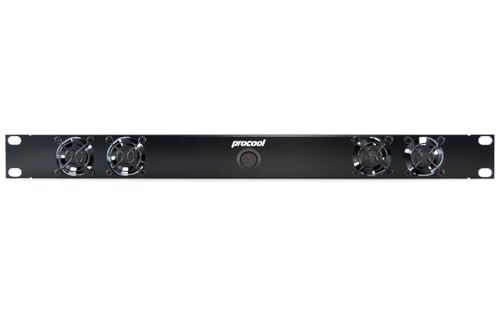
SX2240E
PROCOOL SX2240E / 1U Silent Rack Mount Fan/Airflow = Exhaust/Home Theater AV Cabinet Cooling Broadcast Network Server Recording Studio Rack Mount Fan Panel 19"
SX2240E

SX640
PROCOOL SX640 1U Silent Rack Mount Fan/Airflow = Intake/Home Theater AV Cabinet Cooling Broadcast Network Server Recording Studio Rack Mount Fan Panel 19"
SX640

SP640X
PROCOOL SP640X / 1U Temperature Controlled Silent Rack Fan/Airflow= INTAKE/Home Theater AV Cabinet Cooling Broadcast Server Recording Studio Rack Fan
SP640X
Interactive planning tool
AI Liquid Cooling Evaluation Tool
Use this as a screening calculation. It does not certify a server, predict benchmark performance, design high-voltage electrical work, or replace the current OEM and facility documentation.
Before you buy
Four checks that keep planning estimates in context
Start with current documentation
Use the exact platform or OEM system guide as the source of truth for supported configurations and limits.
Keep assumptions visible
Every calculator input is an assumption until it is replaced by a measurement, vendor limit or facility design value.
Separate nameplate from application performance
Port speed, SSD peak rate, GPU memory and power ratings do not guarantee end-to-end workload results.
Escalate facility decisions
High-voltage distribution, rack electrical work, cooling design and liquid loops require qualified professionals and current codes.
Buying decision
Buying decision: what changes the answer
Stay with air when it meets thermal and operational objectives with reasonable margin. Move to liquid when density or efficiency benefits justify the additional mechanical infrastructure and your team can operate it safely.
Detailed buying guide
What to check before you commit to the hardware
Start from measured heat density
Liquid cooling is a solution to a thermal-management requirement, not a prerequisite for every GPU server.
measure sustained kW per server and rack plus inlet temperatures before choosing the cooling architecture. Recheck the result after material changes.
Distinguish direct-to-chip from immersion
Direct liquid cooling uses cold plates and a liquid loop at components, while immersion places hardware in dielectric fluid. The operational models are different.
choose the technology that the server vendor supports and the facility can maintain. Recheck the result after material changes.
Understand the CDU role
A coolant distribution unit controls flow and transfers heat between technology and facility loops in many designs.
confirm capacity, redundancy, controls and service requirements for the selected CDU. Recheck the result after material changes.
Check facility-water compatibility
Temperatures, pressures, materials and water quality must match the rack cooling system.
use the vendor’s facility-water specification and have the building mechanical team validate it. Recheck the result after material changes.
Plan leak detection and response
Liquid near electronics introduces a new failure mode even when connectors are designed for data-center use.
install detection and define isolation, shutdown and cleanup procedures before commissioning. Recheck the result after material changes.
Account for residual air heat
Power supplies, memory, networking and other components may still rely on air.
obtain the air/liquid heat split and maintain enough rack and room airflow for the residual load. Recheck the result after material changes.
Design pump redundancy
A pump or CDU failure can affect many servers at once.
match mechanical redundancy and spare strategy to the compute service objective. Recheck the result after material changes.
Monitor flow and temperature
A server can overheat because of reduced flow even when supply temperature looks normal.
collect flow, pressure and supply/return temperatures and alert on deviations. Recheck the result after material changes.
Consider maintenance workflow
Hose connections, manifolds and coolant service add steps to component replacement.
train technicians and define isolation procedures so routine maintenance does not create leaks or extended downtime. Recheck the result after material changes.
Use warm-water opportunities carefully
Higher coolant temperatures can improve heat-rejection efficiency or enable heat reuse in some facilities.
validate the entire thermal envelope and economics rather than assuming free cooling will always be available. Recheck the result after material changes.
Model total energy
Liquid cooling can reduce fan demand but pumps and facility heat rejection still consume energy.
compare measured or engineered total facility power, not only server fan savings. Recheck the result after material changes.
Commission the full loop
A cold plate test does not prove the rack, CDU and building loop work together under failure and peak load.
load the rack, exercise alarms and failover, and document stable supply/return conditions before production. Recheck the result after material changes.
Frequently asked questions
What should I know about “Start from measured heat density”?
Liquid cooling is a solution to a thermal-management requirement, not a prerequisite for every GPU server. measure sustained kW per server and rack plus inlet temperatures before choosing the cooling architecture.
How should I validate “Distinguish direct-to-chip from immersion”?
Direct liquid cooling uses cold plates and a liquid loop at components, while immersion places hardware in dielectric fluid. The operational models are different. choose the technology that the server vendor supports and the facility can maintain.
Why does “Understand the CDU role” affect the final design?
A coolant distribution unit controls flow and transfers heat between technology and facility loops in many designs. confirm capacity, redundancy, controls and service requirements for the selected CDU.
Which measurement matters most for “Check facility-water compatibility”?
Temperatures, pressures, materials and water quality must match the rack cooling system. use the vendor’s facility-water specification and have the building mechanical team validate it.
When can “Plan leak detection and response” become a bottleneck?
Liquid near electronics introduces a new failure mode even when connectors are designed for data-center use. install detection and define isolation, shutdown and cleanup procedures before commissioning.
How much reserve is appropriate for “Account for residual air heat”?
Power supplies, memory, networking and other components may still rely on air. obtain the air/liquid heat split and maintain enough rack and room airflow for the residual load.
Can extra hardware solve “Design pump redundancy” by itself?
A pump or CDU failure can affect many servers at once. match mechanical redundancy and spare strategy to the compute service objective.
What should be documented for “Monitor flow and temperature”?
A server can overheat because of reduced flow even when supply temperature looks normal. collect flow, pressure and supply/return temperatures and alert on deviations.
How should “Consider maintenance workflow” be tested before production?
Hose connections, manifolds and coolant service add steps to component replacement. train technicians and define isolation procedures so routine maintenance does not create leaks or extended downtime.
How does growth change the plan for “Use warm-water opportunities carefully”?
Higher coolant temperatures can improve heat-rejection efficiency or enable heat reuse in some facilities. validate the entire thermal envelope and economics rather than assuming free cooling will always be available.
Methodology and official references
The selector uses rack density, airflow difficulty and facility readiness as decision inputs. It does not select a coolant, flow rate or CDU size. Those values come from the server and cooling vendors plus qualified mechanical engineering.
- NVIDIA GB300 NVL72
- NVIDIA Vera Rubin NVL72
- NVIDIA NVL72 AI Factory reference architecture
- NVIDIA Dynamic Power Management
- NVIDIA Mission Control power resiliency FAQ
- ASHRAE Datacom Series
As an Amazon Associate, Cloudzat may earn from qualifying purchases. Check the exact model, electrical specification, condition, warranty and installation requirements before purchase.