


Black Friday 2026 · Our buying decision
XLR Podcast Microphones Black Friday 2026 Deals
Black Friday offers
Shop the latest matching Amazon offers below. A Black Friday label appears only on a promotion verified by Amazon.

Black Friday Deal
FIFINE K688 USB/XLR Dynamic Microphone for PC, Gaming, Podcast, Streaming | Studio Recording Computer Mic with Mute, Headphone Jack, Monitoring Volume Control, Windscreen, for Vocal Voice-Over, Metal
−30% · Amazon · List Price: $72.99
Verified 2026-11-23 21:01:05 UTC

Black Friday Deal
FIFINE AmpliTank K688CT Podcast Microphone Kit, USB/XLR Dynamic Vocal Mic | Streaming Mic with Boom Arm for PC/XLR Mixer, with Mute Button, Headphone Jack, Gain Knob, for Gaming Voice-Over Recording
−20% · Amazon · List Price: $79.99
Verified 2026-11-23 21:01:05 UTC

Black Friday Deal
TONOR Dynamic Podcast Microphone for Content Creators, Cardioid XLR/USB Mic | AI Noise Cancellation, Tap Mute, 3.5mm Jack for Monitoring, Volume Control, Microfono with Boom Arm, Black, TD510 AIR H+
−24% · Amazon · List Price: $49.99
Verified 2026-11-23 21:01:05 UTC

Black Friday Deal
FIFINE AmpliGame AM8 USB/XLR Dynamic Microphone for Gaming Streaming | Podcast Mic with RGB Light, Mute Button, Headphones Jack, Desktop Stand, for Vocal Recording Singing YouTube
−21% · Amazon · List Price: $56.99
Verified 2026-11-23 21:01:05 UTC
No fresh priced listing is available right now. Check the matching Amazon results below.
Search AmazonXLR podcast mics are the right place to spend Black Friday attention if you want a cleaner, more scalable podcast setup rather than a quick USB shortcut.
The important decision is not just which microphone sounds good on paper, but which one fits your interface, gain needs, and the way you actually record.
For most buyers, the RØDE PodMic is the safest and most podcast-specific XLR choice in this group because RØDE positions it as a dynamic broadcast microphone with an internal pop filter and shockmount. Choose it if you want a straightforward spoken-word mic that belongs in an XLR chain and does not depend on USB extras. If your budget is tighter, the FIFINE AmpliTank K688 in XLR mode is the lower-cost route, but only if you are comfortable treating it as part of a broader XLR setup and not expecting direct computer connection. If you want a more premium hybrid option, the Shure MV7+ is the upgrade pick, especially when you plan to use its XLR output with a professional interface or mixer. The configuration to avoid is any assumption that an XLR microphone can plug directly into a computer without an interface or mixer.
Current matching Amazon listings
Current local Amazon listings in USD. Only confirmed public campaign data earns a Black Friday badge; savings use the reference price for that exact listing. Model, quantity, included parts and regional version remain explicit.
As an Amazon Associate, Cloudzat earns from qualifying purchases. Amazon provides the final price and availability. A live listing is not automatically a Black Friday discount.
Matching product · exact contents shown
Black Friday Deal
FIFINE K688 USB/XLR Dynamic Microphone for PC, Gaming, Podcast, Streaming | Studio Recording Computer Mic with Mute, Headphone Jack, Monitoring Volume Control, Windscreen, for Vocal Voice-Over, Metal
−30% · Amazon · List Price: $72.99
Verified 2026-11-23 21:01:05 UTC
Matching product · exact contents shown
Black Friday Deal
FIFINE AmpliTank K688CT Podcast Microphone Kit, USB/XLR Dynamic Vocal Mic | Streaming Mic with Boom Arm for PC/XLR Mixer, with Mute Button, Headphone Jack, Gain Knob, for Gaming Voice-Over Recording
−20% · Amazon · List Price: $79.99
Verified 2026-11-23 21:01:05 UTC
Matching product · exact contents shown
Black Friday Deal
TONOR Dynamic Podcast Microphone for Content Creators, Cardioid XLR/USB Mic | AI Noise Cancellation, Tap Mute, 3.5mm Jack for Monitoring, Volume Control, Microfono with Boom Arm, Black, TD510 AIR H+
−24% · Amazon · List Price: $49.99
Verified 2026-11-23 21:01:05 UTC
Matching product · exact contents shown
Black Friday Deal
FIFINE AmpliGame AM8 USB/XLR Dynamic Microphone for Gaming Streaming | Podcast Mic with RGB Light, Mute Button, Headphones Jack, Desktop Stand, for Vocal Recording Singing YouTube
−21% · Amazon · List Price: $56.99
Verified 2026-11-23 21:01:05 UTC
Matching product · exact contents shown
Black Friday Deal
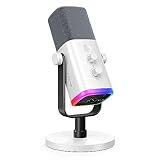
FIFINE AmpliGame AM8W XLR/USB Gaming Microphone for Streaming Podcasting | Dynamic PC Computer RGB Mic, with Gain Knob, Mute Button, Monitoring Jack, for Gamer Recording Video Creation, White
−15% · Amazon · List Price: $58.99
Verified 2026-11-23 20:35:08 UTC
Matching product · exact contents shown
Black Friday Deal
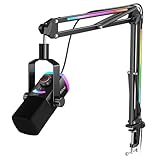
FIFINE AmpliGame AM8PROT Gaming Microphone Kit, XLR/USB Dynamic PC Mic | Streaming Mic Set with Boom Arm, RGB, Tap-to-Mute, Mix Control, Headphone Jack, Volume Knob for Podcast Recording
−15% · Amazon · Typical price: $79.99
Verified 2026-11-23 20:35:08 UTC
No matching live listing is available right now. Use the product search below to see current Amazon results.
How to read Black Friday value in this category
XLR podcast microphones reward buyers who think in complete setups, not just microphone bodies. A good deal on the mic itself is only meaningful if the rest of the chain already works: an interface or mixer with enough clean gain, a proper XLR cable, and a stand or boom arm that can hold the microphone safely. For dynamic podcast mics, gain matters more than flashy spec sheets. If a mic needs a lot of clean amplification, a bargain can disappear once you add the interface you actually need. The practical Black Friday win is to buy the mic that matches your recording chain rather than forcing a cheaper model into a setup it is not ideal for.
The configuration we would buy
| Buyer situation | Recommended option | Practical reason |
|---|---|---|
| Ordinary buyer building a dedicated XLR podcast setup | RØDE PodMic | RØDE positions it as a dynamic broadcast microphone with an internal pop filter and shockmount, which makes it the cleanest spoken-word fit. |
| Lower-cost buyer who still wants XLR workflow | FIFINE AmpliTank K688 in XLR mode | It is the value route in this list and still belongs in the correct XLR chain. |
| Buyer who wants a more premium hybrid option | Shure MV7+ used with a professional interface or mixer | Shure confirms dual USB-C and XLR outputs, so it suits a more flexible long-term setup. |
| Buyer who is tempted to skip the rest of the chain | No microphone until the interface is chosen | XLR mics require an interface, mixer, or all-in-one recorder, so the setup must be complete first. |
| Buyer who wants the simplest podcast voice result | RØDE PodMic | It is the most clearly podcast-specific recommendation here and avoids unnecessary feature chasing. |
| Buyer who may later switch between USB and XLR workflows | Shure MV7+ | The hybrid connection design gives it the best long-term flexibility in the group. |
Why XLR is the right lane for a podcast upgrade
XLR microphones make sense when the podcast setup is meant to last. Instead of relying on a direct USB connection, you route the microphone through an interface, mixer, or all-in-one recorder. That extra step sounds less convenient, but it gives you a more modular system, more upgrade options, and a cleaner path if you later add a second host, a remote guest setup, or a better interface. For podcast buyers, that is often the real reason to shop this category during Black Friday: you are not just buying a mic, you are buying into a more flexible recording chain.
This also changes how you should judge the purchase. A microphone with a strong podcast profile and sensible gain needs is usually more valuable than one that advertises lots of features you will never use in an XLR workflow. In this guide, the main question is whether the microphone is a clean fit for spoken-word recording and whether it plays well with the rest of the chain. That is why the recommendations favor proven podcast-oriented dynamics rather than broad-purpose studio mics that happen to have XLR connectors.
The ordinary-buyer choice: RØDE PodMic
RØDE describes the PodMic as a dynamic broadcast microphone with an internal pop filter and shockmount, which is exactly the sort of practical design cue podcast buyers should want. The point here is not that it is the most complicated microphone, but that it is purpose-built for speech and aimed squarely at broadcast-style use. For most ordinary buyers building an XLR podcast setup, that is a better fit than a general studio microphone that requires more guessing about positioning and accessories. If the goal is to sound like a podcast without turning the purchase into a hobby project, the PodMic is the cleanest answer in this category.
Its value is also in what it does not ask of you. A podcast microphone should help you move toward a usable setup quickly, not force you into extra tinkering. Because the PodMic is an XLR mic, it still requires an interface or mixer, but within that system it is a very straightforward spoken-word choice. If the rest of your chain is already ready, this is the model most buyers should lead with. It is the recommendation to anchor around unless you have a firm reason to save money or to move up to a premium hybrid model. It is not the flashy option; it is the sensible one.
The lower-cost path: FIFINE AmpliTank K688 in XLR mode
The FIFINE AmpliTank K688 is the value-oriented choice because FIFINE describes it as a USB/XLR dynamic microphone with a cardioid capsule and monitoring. That dual-connection design gives budget shoppers a useful bit of flexibility, but for this guide the important point is its XLR mode. If you are building an XLR podcast setup and want to keep spending disciplined, the K688 can be the practical entry point. It is the pick for buyers who want to start with a more affordable microphone while still staying inside the XLR workflow the category requires.
The caution is that lower cost should not be confused with lower complexity. Even if the microphone itself is cheaper, you still need the rest of the XLR chain, and that chain can matter more than the mic in your final result. Use this model when the complete package truly suits your budget and you do not need the more podcast-specific identity of the PodMic. The dual USB/XLR design may also tempt buyers into thinking about USB convenience, but this page is for XLR-first choices. If you buy the K688, buy it because it is the lower-cost microphone that still belongs in the correct workflow, not because you expect it to replace the rest of the chain.
The upgrade pick: Shure MV7+ when you want a more premium hybrid
Shure says the MV7+ has dual USB-C and XLR outputs, which makes it the standout upgrade pick for buyers who want more flexibility without leaving the podcast lane. This is the model for someone who may begin in one recording environment and later move into another. Used through XLR with a professional interface or mixer, it becomes part of a more serious podcast setup while still retaining the convenience of the hybrid design. That makes it especially attractive if you value a microphone that can adapt as your workflow grows.
There is an important practical nuance here. The USB side of the MV7+ is not the same thing as the XLR side. Shure’s own positioning means you should not assume USB features automatically carry into passive XLR use. In other words, buy the MV7+ because you want a premium microphone with both connection paths available, not because you expect the XLR output to behave like a full USB DSP package. For a Black Friday buyer, this is the more sophisticated choice, but it is also the one most worth paying for if you know you will actually use the flexibility.
What to spend more on, and what not to overpay for
Spend more when the microphone choice is tied to long-term workflow. If you know you want a premium hybrid path, the Shure MV7+ is the kind of model that can justify the extra outlay because it gives you both USB-C and XLR outputs. That is valuable if your recording setup may change, or if you want a microphone that works in more than one environment. Spend more only when the extra versatility is something you will actually use; otherwise, a stronger podcast-specific XLR choice may be the better value.
Do not overpay for a microphone shape or feature list that does not improve your actual podcast chain. The biggest mistake in this category is buying a mic as though it were a standalone gadget. It is not. It sits inside an ecosystem of interface gain, stands, cables, and monitoring habits. A well-priced mic that matches your workflow is better than an expensive one that creates friction. This is why the guide keeps coming back to compatibility: the right purchase is the one that fits your setup with the least compromise.
Compatibility rules that matter more than marketing
XLR microphones need an interface, mixer, or all-in-one recorder. That is the non-negotiable rule in this category, and it is the first thing buyers should accept before they shop. If you see an attractive microphone and imagine plugging it straight into a laptop or desktop, that is the wrong mental model. An XLR mic is part of a chain, and the chain has to exist before the microphone can do its job. This is especially important for podcast buyers who are moving up from USB and want a more professional route without understanding the extra hardware required.
Black Friday dates and offer eligibility
Black Friday falls on 27 November 2026. Manufacturer and marketplace campaigns have different schedules, stock and eligibility. A calendar date does not establish a discount on the recommended configuration.
Direct answers before buying
Do I need an interface for an XLR podcast microphone?
Yes. XLR microphones require an interface, mixer, or all-in-one recorder. That is not optional in this category. If you do not already have that hardware, the microphone alone will not connect directly to a computer the way a USB mic does. For podcast buyers, the key is to treat the microphone and interface as one purchase decision, because the value of the mic depends on the quality and gain of the rest of the chain.
Which model is best for most podcast buyers?
The RØDE PodMic is the best default choice here. RØDE describes it as a dynamic broadcast microphone with an internal pop filter and shockmount, which makes it a direct fit for speech-focused recording. It is the cleanest recommendation for an ordinary buyer who wants a microphone that feels purpose-built for podcasting rather than a general-purpose option that happens to work. It is also the most straightforward choice if you already have an interface ready.
When should I choose the FIFINE K688 instead of the PodMic?
Choose the FIFINE AmpliTank K688 if your budget is tighter and you want the lower-cost route while still staying in the XLR workflow. FIFINE describes it as a USB/XLR dynamic microphone with a cardioid capsule and monitoring, so it offers flexibility. The tradeoff is that it is not the same kind of podcast-specific anchor as the PodMic. It is the value pick, not the category leader, so it makes sense when cost matters more than specialization.
Why pay more for the Shure MV7+?
The Shure MV7+ is the premium hybrid choice because Shure says it has dual USB-C and XLR outputs. That makes it attractive for buyers who want flexibility across different setups or who expect their workflow to evolve. The important condition is to use it with a professional interface or mixer when you choose XLR. You should buy it for adaptability and long-term utility, not because the USB features somehow carry over unchanged to XLR use.
Related buying guides
Sources and research notes
Researched on 23 November 2026 using manufacturer documentation and local Amazon observations. Editorial recommendations, without claims of hands-on testing. Prices expire after 24 hours; public promotion badges after one hour or the offer end. No unsupported historic-low claims.