


Black Friday 2026 · Our buying decision
Podcast Microphones Black Friday 2026 Deals
Black Friday offers
Shop the latest matching Amazon offers below. A Black Friday label appears only on a promotion verified by Amazon.

Black Friday Deal
Shure SM58 Pro XLR Dynamic Vocal Microphone | Cardioid dynamic vocal mic for studio and live performance, podcasting and recording; industry-standard sound
−18% · Amazon · List Price: $109.00
Verified 2026-11-23 20:50:49 UTC
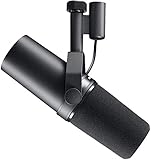
Black Friday Deal
Shure SM7B Dynamic Vocal Microphone for Podcasting & Streaming | XLR studio dynamic mic for broadcast, podcast, recording, gaming and streaming; smooth warm vocals, rugged build
−16% · Amazon · List Price: $439.00
Verified 2026-11-23 20:50:49 UTC

Black Friday Deal
FIFINE AmpliGame AM8 USB/XLR Dynamic Microphone for Gaming Streaming | Podcast Mic with RGB Light, Mute Button, Headphones Jack, Desktop Stand, for Vocal Recording Singing YouTube
−21% · Amazon · List Price: $56.99
Verified 2026-11-23 21:01:05 UTC
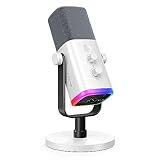
Black Friday Deal
FIFINE AmpliGame AM8W XLR/USB Gaming Microphone for Streaming Podcasting | Dynamic PC Computer RGB Mic, with Gain Knob, Mute Button, Monitoring Jack, for Gamer Recording Video Creation, White
−15% · Amazon · List Price: $58.99
Verified 2026-11-23 20:35:08 UTC
No fresh priced listing is available right now. Check the matching Amazon results below.
Search AmazonIf you are buying a podcast microphone this Black Friday, the winning move is to choose a speech-first dynamic mic that fits your workflow rather than chasing the flashiest spec sheet. For most buyers, that means the Shure MV7+ if you want a confident flagship-style option with dual USB-C and XLR output, or the FIFINE K688 if you want a simpler lower-cost dynamic mic with real-time monitoring and the same flexible connection idea.
The smartest upgrade path is not just buying a pricier microphone. If you are building a two-person show or want the recording hub to do more of the work, the RØDECaster Duo is the right step up because it is an integrated audio production studio with two combo inputs and two headphone outputs. The one configuration to avoid is buying an all-in-one console and expecting it to behave like a normal microphone replacement.
For an ordinary podcast buyer, the best overall choice is the Shure MV7+ because it is explicitly designed as a podcast microphone and gives you both USB-C and XLR in one body. Choose the FIFINE K688 if your goal is to spend less while still getting a dynamic USB/XLR mic with monitoring. Spend more only if you want a broader production setup, in which case the RØDECaster Duo is the better upgrade because it is a recording hub, not just a mic. Avoid treating the console as a substitute for a microphone.
Current matching Amazon listings
Current local Amazon listings in USD. Only confirmed public campaign data earns a Black Friday badge; savings use the reference price for that exact listing. Model, quantity, included parts and regional version remain explicit.
As an Amazon Associate, Cloudzat earns from qualifying purchases. Amazon provides the final price and availability. A live listing is not automatically a Black Friday discount.
Matching product · exact contents shown
Black Friday Deal
Shure SM58 Pro XLR Dynamic Vocal Microphone | Cardioid dynamic vocal mic for studio and live performance, podcasting and recording; industry-standard sound
−18% · Amazon · List Price: $109.00
Verified 2026-11-23 20:50:49 UTC
Matching product · exact contents shown
Black Friday Deal
Shure SM7B Dynamic Vocal Microphone for Podcasting & Streaming | XLR studio dynamic mic for broadcast, podcast, recording, gaming and streaming; smooth warm vocals, rugged build
−16% · Amazon · List Price: $439.00
Verified 2026-11-23 20:50:49 UTC
Matching product · exact contents shown
Black Friday Deal
FIFINE AmpliGame AM8 USB/XLR Dynamic Microphone for Gaming Streaming | Podcast Mic with RGB Light, Mute Button, Headphones Jack, Desktop Stand, for Vocal Recording Singing YouTube
−21% · Amazon · List Price: $56.99
Verified 2026-11-23 21:01:05 UTC
Matching product · exact contents shown
Black Friday Deal
FIFINE AmpliGame AM8W XLR/USB Gaming Microphone for Streaming Podcasting | Dynamic PC Computer RGB Mic, with Gain Knob, Mute Button, Monitoring Jack, for Gamer Recording Video Creation, White
−15% · Amazon · List Price: $58.99
Verified 2026-11-23 20:35:08 UTC

Matching product · exact contents shown
Black Friday Deal
FIFINE K688 USB/XLR Dynamic Microphone for PC, Gaming, Podcast, Streaming | Studio Recording Computer Mic with Mute, Headphone Jack, Monitoring Volume Control, Windscreen, for Vocal Voice-Over, Metal
−30% · Amazon · List Price: $72.99
Verified 2026-11-23 21:01:05 UTC

Matching product · exact contents shown
Black Friday Deal
FIFINE AmpliTank K688CT Podcast Microphone Kit, USB/XLR Dynamic Vocal Mic | Streaming Mic with Boom Arm for PC/XLR Mixer, with Mute Button, Headphone Jack, Gain Knob, for Gaming Voice-Over Recording
−20% · Amazon · List Price: $79.99
Verified 2026-11-23 21:01:05 UTC
No matching live listing is available right now. Use the product search below to see current Amazon results.
How to judge a real Black Friday microphone deal
The right deal is the one that matches your setup, not the one with the most aggressive headline. For podcasting, connection type matters as much as sound direction. A USB-C mic is the easiest path for a solo host, while XLR matters when you already have, or plan to add, an interface or larger production chain. A dual-connection model gives you more room to grow, which is why the MV7+ and K688 are such practical shortlist names. A discount is most meaningful when it helps you buy the complete package you actually need, including the right connection and monitoring behavior, instead of buying a cheaper but awkward fit. If a higher model only costs a little more and removes a future upgrade step, that is usually the better value move for podcasting.
The configuration we would buy
| Buyer situation | Recommended option | Practical reason |
|---|---|---|
| New solo podcaster wanting one safe long-term mic | Shure MV7+ Podcast Microphone | Dual USB-C and XLR make it easy to start simple and keep upgrade room later. |
| Buyer on a tighter budget who still wants a real podcast mic | FIFINE AmpliTank K688 USB/XLR Dynamic Microphone | Lower-cost dynamic design with monitoring and flexible connectivity is a strong entry point. |
| Two-person show or buyer building a small production hub | RØDECaster Duo + PodMic as a two-mic production stack | The Duo is an integrated studio with two combo inputs and two headphone outputs, which suits a multi-person workflow. |
| Buyer who mainly wants the easiest future-proof connection path | Shure MV7+ Podcast Microphone | It offers both USB-C and XLR, which reduces the risk of choosing the wrong setup too early. |
| Buyer who needs the budget option only if the package is clearly cheaper | FIFINE AmpliTank K688 USB/XLR Dynamic Microphone | It is the value pick when the total package price makes the tradeoff meaningful. |
| Buyer who already needs a recording hub more than a single mic | RØDECaster Duo | It is a production studio, not just a microphone, so it fits a system-first purchase. |
1) The cleanest buy for most podcasters
The Shure MV7+ is the safest mainstream recommendation because Shure positions it directly as a podcast microphone and gives it dual USB-C and XLR outputs. That combination matters in real life: you can start with a simple computer setup and still keep an XLR path available later. For an ordinary buyer, that flexibility is worth more than a feature list padded with extras that do not help spoken-word recording. It is also the easiest recommendation to explain to someone who wants one mic to cover both first-time use and a more serious future setup. The practical conclusion is straightforward: if you want one microphone purchase to anchor your podcast setup, the MV7+ is the one to target first.
This is also the best pick when you are unsure how quickly your show will grow. A microphone with both USB-C and XLR lowers the risk of outgrowing your first purchase too soon, which is the most common buying mistake in this category. You are not buying a studio console; you are buying a voice-focused microphone that can move with you. That is the MV7+ advantage, and it is why it sits at the top of the guide rather than a more complicated or more gimmicky option.
2) The lower-cost choice that still feels like a real podcast mic
The FIFINE AmpliTank K688 is the right value alternative when you want to spend less without dropping into a compromised category. FIFINE describes it as a USB/XLR dynamic microphone with a cardioid capsule and real-time monitoring, which are exactly the kinds of features that matter for speech recording. A dynamic mic is often the more sensible default for podcasting because the goal is focused voice pickup, not room-filling sensitivity. The K688 keeps the buying decision simple: it is a podcast-friendly mic with flexible connectivity and built-in monitoring, so it does not feel like a temporary compromise you will immediately regret.
The important condition is that it should be the budget choice, not the automatic choice. If the price difference between it and a stronger, better known, or more complete package is small, the more established option may be the better long-term value. But if the K688 is meaningfully cheaper in the complete package you are actually buying, it is an easy recommendation. For a first solo podcast rig, this is the model that most naturally balances cost, connection flexibility, and the no-drama nature of a dynamic microphone.
3) When to spend more on the production hub instead of the mic
The RØDECaster Duo is not a direct microphone rival, and that distinction is the point. RØDE describes it as an integrated audio production studio with two combo inputs and two headphone outputs, so it is really the brains of a small podcast setup. If you are building a two-person show, running guest conversations, or want a more centralized workflow, this is the upgrade that changes how the whole system works. In practical terms, it can make a larger difference to your daily recording process than swapping from one microphone body to another. That is why the Duo belongs in this guide as the upgrade path rather than as the default microphone pick.
Buy this only if you want the production hub, not because it sounds like a premium accessory bundle. A console is useful when you need multiple inputs and headphone monitoring for more than one person. It is less sensible if your only goal is to buy one microphone for one host. This is the key incompatibility to avoid: do not treat the RØDECaster Duo as a microphone replacement. It is a central recording tool that can elevate the entire show, but it is not the same purchase category as the MV7+ or the K688.
4) Connection choice is the real compatibility decision
For podcast microphones, the first compatibility question is whether you need USB-only, XLR-only, or dual-connection support. The MV7+ and K688 both solve this elegantly by offering USB and XLR paths, which protects your setup from becoming obsolete the moment you want to add an interface or move to a more serious chain. That flexibility is a real Black Friday advantage because it lets you buy once and keep options open. If you are starting from a laptop or desktop and want the simplest route, USB is the easiest entry point. If you already know you want a mixer or interface, XLR matters more. Dual-connect models reduce the risk of choosing the wrong lane too early.
There is one practical caveat that should shape the purchase. USB behavior and XLR behavior are not interchangeable, and you should not assume every function carries across both modes. The guidance is to respect the connection type you actually intend to use. If you buy a dual-output microphone, you are choosing flexibility, not duplicate feature behavior in every mode. That is a strength, but only if you understand it as a workflow decision instead of a magical all-in-one promise.
5) Why the MV7+ is the best flagship-style value
The MV7+ earns its place above the budget option because it gives an ordinary buyer a premium-feeling path without forcing a complicated setup. The dual USB-C and XLR design is the key practical reason. It means the microphone can start as a simple plug-and-record solution and still fit a more serious podcast rig later. That is exactly what most buyers want from a flagship-style purchase: not maximum complexity, but maximum headroom. The model is also clearly aimed at podcasting rather than general-purpose desk noise. That focus matters because it keeps the guide centered on spoken-word use instead of drifting into gaming or livestream gimmicks.
If the Black Friday price difference between the MV7+ and a budget alternative is modest, the MV7+ is the cleaner buy. You are paying for a better long-term fit, not just a badge. That said, the recommendation is still practical rather than absolute. If your plan is a casual show, a school project, or a first season with a limited budget, the K688 can be enough. The MV7+ becomes the smart pick when you want the least regret and the most room to grow.
6) Why the K688 is the smartest entry point for a tighter budget
The FIFINE K688 should be read as a serious value microphone, not a stripped-down toy. Its dynamic design is useful for voice-focused recording, and the cardioid capsule helps keep the purchase aligned with the realities of podcasting. FIFINE also includes real-time monitoring, which is a practical feature for solo hosts because it helps you hear what is happening as you record. Combined with USB/XLR flexibility, that makes the K688 unusually complete for a lower-cost option. It does the job without asking the buyer to overthink the system too early.
This is the right model when the budget is the dominant constraint and you still want a microphone that can support more than one setup style. It is especially attractive for a first-time podcaster who is not yet ready to commit to a larger audio ecosystem. The only reason to move away from it is if the better-known or more complete package is very close in total cost. In that case, the value equation can tilt toward the more established choice. But as a standalone entry point, the K688 is the clearest budget recommendation in this guide.
7) When the all-in-one upgrade is better than another microphone
The RØDECaster Duo deserves attention because it changes the shape of the purchase. Instead of asking which microphone is best, you are asking whether your show needs a production center with two combo inputs and two headphone outputs. That matters when you have co-hosts, guest capture needs, or a workflow that benefits from centralized control. In those cases, the Duo can unlock a cleaner and more manageable podcasting setup than buying a slightly nicer mic and hoping the rest of the chain catches up later. The value here is structural, not cosmetic.
However, the upgrade logic only works if you truly need the hub. If you are a solo podcaster, the Duo may be more machine than you need. It is also not a substitute for a microphone, so you should not confuse the purchase categories. The best use case is a buyer who wants to build a stronger recording environment, not just a single voice capture device. That is why the guide frames it as the upgrade pick and not as the default recommendation for every shopper.
8) The configuration to avoid and the purchase that fits ordinary buyers
The configuration to avoid is the mismatch between product type and intended role. Do not buy an integrated audio production studio and expect it to behave like a plain microphone. Likewise, do not pick a general desktop condenser as the default answer when your actual need is spoken-word podcasting. The published specifications point to dynamic, podcast-oriented options for a reason. That is the simplest way to avoid wasting money on a feature set that does not match your use case. The safest path is to choose the microphone first, then decide whether the production hub is truly needed.
For an ordinary buyer, the conclusion is simple: get the Shure MV7+ if you want the strongest all-around choice, or the FIFINE K688 if the lower-cost route fits your budget better. Spend more only when you are building a wider recording setup and need the RØDECaster Duo as the center of that system. That gives you a practical, Black Friday-ready buying decision without drifting into specs that do not change the outcome for most podcasters.
Black Friday dates and offer eligibility
Black Friday falls on 27 November 2026. Manufacturer and marketplace campaigns have different schedules, stock and eligibility. A calendar date does not establish a discount on the recommended configuration.
Direct answers before buying
Is the Shure MV7+ better than the original MV7 for this guide?
The published specifications only identify the MV7+ as the current podcast microphone recommendation here, and the important point is its dual USB-C and XLR output. The guide is centered on that configuration because it gives an ordinary buyer flexibility without extra complexity. If you are shopping Black Friday 2026, the practical decision is to focus on the MV7+ rather than trying to solve the purchase through older naming confusion. That keeps the choice aligned with the current model and its intended podcast use.
Why is the FIFINE K688 the budget pick instead of a condenser mic?
Because the buying analysis steers the guide toward a dynamic, speech-focused podcast microphone. The K688 fits that role cleanly: it is a USB/XLR dynamic microphone with a cardioid capsule and real-time monitoring. That makes it a more appropriate lower-cost default for podcasting than a generic condenser desktop mic. For voice recording, the K688 gives you the right category of tool without turning the purchase into a compromise on workflow or basic usability.
When should I choose the RØDECaster Duo instead of another microphone?
Choose the Duo when your real need is a production hub rather than another mic body. RØDE describes it as an integrated audio production studio with two combo inputs and two headphone outputs, so it makes the most sense for two-person shows, guest recording, or a setup that needs centralized control. If you are only buying for one host, it is usually too much machine. If you need the whole system to feel more organized, it is the right upgrade.
Do I need both USB and XLR in a podcast microphone?
Not always, but dual connectivity is valuable because it gives you more paths as your show develops. USB is easiest for a simple direct-to-computer setup, while XLR is useful if you later add an interface or a more complete audio chain. That is why the MV7+ and K688 are so practical. The key is to buy the connection type you will actually use now, while preferring dual-connect models when the price and package make sense.
Related buying guides
Sources and research notes
Researched on 23 November 2026 using manufacturer documentation and local Amazon observations. Editorial recommendations, without claims of hands-on testing. Prices expire after 24 hours; public promotion badges after one hour or the offer end. No unsupported historic-low claims.