


UK · Black Friday 2026 · Our buying decision
Rode Podcast Microphones UK Black Friday 2026 Deals
Black Friday offers
Shop the latest matching Amazon offers below. A Black Friday label appears only on a promotion verified by Amazon.

Black Friday deal
RØDE PodMic USB Versatile Dynamic Broadcast Microphone with XLR and USB Connectivity for Podcasting, Streaming, Gaming, Music Creation and Content Creation
−16% · Amazon · Was: £155.00
Verified 2026-11-23 20:47:54 UTC
Black Friday Big Deal
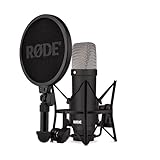
RØDE NT1 Signature Series Large-diaphragm Condenser Microphone with Shock Mount, Pop Filter and XLR Cable for Music Production, Vocal Recording, Streaming and Podcasting
−29% · Amazon · RRP: £139.00
Verified 2026-11-23 20:47:54 UTC
No fresh priced listing is available right now. Check the matching Amazon results below.
Search AmazonRØDE’s podcast mic range is one of the easiest places to make a smart Black Friday buy because the line is clearly defined: a straightforward broadcast mic if you already have audio gear, a more flexible USB/XLR mic if you want an easier all-in-one route, and a creator mixer/recorder if you are building a proper podcast desk.
For an ordinary buyer, the safest conclusion is simple: choose PodMic USB if you want the most versatile single microphone, choose PodMic if you already own an interface or mixer and want to spend less on the mic itself, and only step up to RØDECaster Duo if you want the broader podcast production workflow rather than just a microphone.
The best all-round RØDE podcast mic buy for most people is the PodMic USB, because it gives you both USB-C and XLR, plus onboard DSP and a headphone output. That makes it far easier to grow into than a plain XLR mic. If you already own a suitable interface or mixer, the regular PodMic is the better-value choice because RØDE positions it as a dynamic broadcast microphone with an internal pop filter and shockmount. Spend more only if you actually want the wider podcasting workflow. The RØDECaster Duo is the stronger upgrade path when you want two combo inputs and a dedicated creator station, not just a mic.
Current matching Amazon listings
Current local Amazon listings in GBP. Only confirmed public campaign data earns a Black Friday badge; savings use the reference price for that exact listing. Model, quantity, included parts and regional version remain explicit.
As an Amazon Associate, Cloudzat earns from qualifying purchases. Amazon provides the final price and availability. A live listing is not automatically a Black Friday discount.
Matching product · exact contents shown
Black Friday deal
RØDE PodMic USB Versatile Dynamic Broadcast Microphone with XLR and USB Connectivity for Podcasting, Streaming, Gaming, Music Creation and Content Creation
−16% · Amazon · Was: £155.00
Verified 2026-11-23 20:47:54 UTC
Matching product · exact contents shown
Black Friday Big Deal
RØDE NT1 Signature Series Large-diaphragm Condenser Microphone with Shock Mount, Pop Filter and XLR Cable for Music Production, Vocal Recording, Streaming and Podcasting
−29% · Amazon · RRP: £139.00
Verified 2026-11-23 20:47:54 UTC

Matching product · exact contents shown
RØDE X XCM-50 Professional USB Condenser Microphone and Virtual Mixing Solution For Streamers and Gamers
−23% · Amazon · Was: £85.99
Verified 2026-11-23 20:47:54 UTC

Matching product · exact contents shown
RØDE PodMic Broadcast-quality Dynamic Microphone with Integrated Swing Mount for Podcasting, Streaming, Gaming, and Voice Recording,Black,XLR
Verified 2026-11-23 20:47:54 UTC
Matching product · exact contents shown
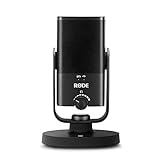
RØDE NT-USB Mini Versatile Studio-quality Condenser USB Microphone with Free Software for Podcasting, Streaming, Gaming, Music Production, Vocal and Instrument Recording
Verified 2026-11-23 20:47:54 UTC

Matching product · exact contents shown
RØDE Wireless Micro - Compact Wireless Microphone, Two Mics with Charge Case for Smartphone Content Creation - USB-C, Black
−3% · Amazon · Was: £81.49
Verified 2026-11-23 20:47:54 UTC
No matching live listing is available right now. Use the product search below to see current Amazon results.
How to judge a real RØDE Black Friday deal
The right Black Friday decision here is less about chasing the biggest discount and more about buying the correct package for your setup. If you are starting from scratch, PodMic USB is the most forgiving purchase because it can work over USB-C straight away, but it still gives you XLR for a future interface-based setup. That flexibility is the key value point, not a flashy claim about sound quality. If a retailer bundles the microphone with extras, treat the bundle as worthwhile only when the included items genuinely save you from buying separate accessories later. A cheap bundle that adds clutter is not automatically better than the mic alone.
The configuration we would buy
| Buyer situation | Recommended option | Practical reason |
|---|---|---|
| First-time podcaster wanting the simplest setup | RØDE PodMic USB | USB-C makes it easy to start immediately, while XLR keeps the upgrade path open. |
| Existing interface or mixer owner | RØDE PodMic | It is the focused XLR broadcast mic and avoids paying for USB features you will not use. |
| Buyer building a more serious podcast desk | RØDECaster Duo | Two combo inputs and a creator-focused design suit a fuller production workflow. |
| Buyer unsure about future upgrades | RØDE PodMic USB | It offers the safest balance of convenience now and expansion later. |
| Buyer who only wants a microphone and already has the rest of the chain | RØDE PodMic | The plain mic is the cleaner value when the supporting gear is already in place. |
1. What makes RØDE’s podcast mic range worth shopping now
RØDE’s advantage in this category is clarity of purpose. The PodMic is described by the brand as a dynamic broadcast microphone built for speech, with an internal pop filter and shockmount. That is exactly the sort of microphone many podcasters want: robust, simple and aimed at spoken voice rather than studio trickery. It is a sensible purchase if your recording chain already includes an interface or mixer and you want a microphone that does the job without extra features getting in the way.
Black Friday is the moment to buy if you have been waiting to assemble the rest of the setup, because the brand’s range maps neatly onto buyer intent. You are not trying to decode dozens of unrelated models. You are choosing between a pure XLR mic, a USB/XLR hybrid, or a creator desk unit. That makes the value decision practical: pay for the function you will use, and do not pay for features that sit idle.
2. The ordinary-buyer choice: PodMic USB
For most first-time podcast buyers, PodMic USB is the most sensible single purchase. RØDE says it offers XLR and USB-C connectivity, onboard DSP and a headphone output. That combination matters because it means the microphone can start life as a simple plug-in USB mic and later move into a more advanced studio chain without needing to be replaced. In a category where many buyers outgrow their first purchase, that is the cleanest upgrade path in the line.
The practical limit is that PodMic USB is not the same thing as the plain PodMic, and it should not be treated as a mere variant. The USB model adds functionality, so it is the better choice for buyers who value convenience and monitoring. If your setup is likely to remain computer-based, or if you want the option to monitor directly through the mic, PodMic USB is the model to prioritise. It is the simplest recommendation for most people because it reduces the risk of buying the wrong type of mic for a podcast desk.
3. When the regular PodMic is the smarter lower-cost buy
The regular PodMic is the better value if you already own a suitable interface or mixer and you know you want an XLR microphone. RØDE describes it as a dynamic broadcast microphone with internal pop filter and shockmount, so it is clearly aimed at speech capture without needing USB extras. That makes it a tidy purchase for an existing podcast setup where the recorder or mixer is already doing the heavy lifting. In that situation, paying extra for USB functionality may simply be unnecessary.
This is the lower-cost option only when the complete package cost is actually lower for your needs. In other words, do not choose PodMic just because it is the cheaper mic on paper if you would then need to buy an interface you do not already have. The practical conclusion is narrower: if your audio chain is already built, PodMic is the leaner buy. If it is not, the cheaper microphone can quickly become the more expensive system overall. That is why the model is value-friendly, not universally the cheapest.
4. Why RØDECaster Duo belongs in the conversation
The RØDECaster Duo is not a microphone and should be treated as a separate recommendation, but it belongs in this guide because it is part of the same official podcast ecosystem. RØDE says it has two combo inputs and is designed for podcasters and content creators. That makes it a natural step up for buyers who want a dedicated production base rather than just a single mic. If your Black Friday plan is to create a more serious two-voice recording setup, the Duo is the higher-end path to consider.
The reason to spend more here is workflow, not raw microphone ownership. With the Duo, you are buying a hub for podcast production, which can make sense if you want to manage inputs, recording and monitoring in one place. But that also means it is not the right answer for a buyer who only needs a microphone for a laptop or desktop. The conclusion is straightforward: the Duo is for creators building a proper desk rig, while PodMic USB remains the more practical first buy for most individuals.
5. Compatibility: what works, what does not, and what to avoid
Compatibility is the main trap in this category, and it is where most buyers can save themselves trouble. The regular PodMic needs an interface or mixer. That is not a defect; it is the normal requirement of an XLR microphone. If you do not already own that gear, the cheaper mic can become a false economy because the rest of the system still has to be purchased. By contrast, PodMic USB can work directly over USB-C, which makes it much easier for a standalone buyer to use immediately.
The configuration to avoid is the in-between purchase: a plain PodMic bought by someone who wants a simple plug-and-play USB experience. That is the mismatch to watch for. Also keep the product identities separate. PodMic and PodMic USB are related, but they are not interchangeable recommendations. The USB version has extra features that matter in practice, and the decision should be based on how you will record, not just the family name on the box.
6. Sound and control: why the extras on PodMic USB matter
The reason PodMic USB stands out is not just connectivity. RØDE says it includes onboard DSP and a headphone output, which gives it a more self-contained feel than the standard PodMic. For podcasting, that can be genuinely useful because monitoring and basic processing help keep a session moving without additional hardware. If you are recording yourself or working in a small setup, fewer moving parts generally means fewer interruptions.
That said, it is important not to overstate the case. DSP and headphone monitoring are useful tools, not substitutes for a good recording environment or thoughtful microphone placement. The point of this guide is not to promise magic sound; it is to explain where the model is practically easier to use. The USB version is the one that helps a buyer do more from one microphone, while the standard PodMic is the simpler, more focused broadcast tool. Your choice should depend on whether you value flexibility or minimalism.
7. The upgrade path: how to build sensibly from PodMic USB to Duo
A smart Black Friday purchase in this range should leave room for later expansion. That is where PodMic USB earns its place as the main pick. It gives you a path that starts simple but does not box you in. If you later add a dedicated recorder or mixer, the XLR connection remains available. If you keep things small, USB-C keeps the setup manageable. That makes it a particularly good choice for buyers who are unsure how far they will take podcasting.
If you are already at the stage where a multi-input desk is the priority, the RØDECaster Duo becomes the more logical spend. Its two combo inputs mean it is already aimed at creator setups rather than single-mic casual use. This is why the upgrade recommendation is not just “buy the more expensive thing”; it is “buy the more complete workflow only if you will actually use it.” For most buyers, the mic is the starting point. For more serious creators, the mixer/recorder may be the more meaningful investment.
8. Who should buy what in the RØDE range this Black Friday
If you are the typical buyer looking for a reliable podcast microphone, choose PodMic USB. It is the easiest recommendation because it offers the widest practical flexibility and reduces the risk of incompatible buying. If you already have an interface or mixer and want to keep the purchase focused on the microphone itself, choose the regular PodMic. It is the leaner, more direct answer for an existing rig. If you are building a podcast desk from scratch and want a proper multi-input production base, the RØDECaster Duo is the more ambitious route.
The buyer to avoid overpaying is the one who buys a full creator hub before needing it. The buyer to avoid underbuying is the one who chooses the plain PodMic without having any interface plan. Between those two mistakes sits the sensible middle path: PodMic USB for most people, PodMic for existing XLR owners, and RØDECaster Duo only when the full podcast workflow is the actual goal. That is the most practical Black Friday verdict for this line.
9. Final buying conclusion for UK shoppers
The best UK Black Friday move is to buy according to your setup, not according to model prestige. PodMic USB is the default recommendation because it handles both starter and upgrade use cases well. Regular PodMic is the disciplined choice for people who already know they are working in XLR and have the interface to match. RØDECaster Duo is the strategic upgrade if the goal is to run a serious podcast desk rather than just record a voice track.
The most important practical limit is compatibility. A PodMic without an interface is incomplete for many buyers, while PodMic USB avoids that issue by design. That is why the ordinary buyer should usually spend a little more on the USB model rather than saving money in the wrong place. The Black Friday opportunity here is not about buying a random microphone; it is about choosing the correct RØDE path for the way you actually record.
Black Friday dates and offer eligibility
Black Friday falls on 27 November 2026. Manufacturer and marketplace campaigns have different schedules, stock and eligibility. A calendar date does not establish a discount on the recommended configuration.
Direct answers before buying
Is PodMic USB a different recommendation from PodMic?
Yes. They are related but not the same purchase decision. RØDE says PodMic USB adds XLR and USB-C connectivity, onboard DSP and a headphone output, while the standard PodMic is described as a dynamic broadcast microphone with an internal pop filter and shockmount. That means PodMic USB is the more flexible choice for most buyers, while PodMic is better when you already own an interface or mixer and want a simpler XLR mic.
Do I need an interface for the regular PodMic?
Yes, if you buy the standard PodMic, you need an interface or mixer to use it properly in a podcast setup. That is the key compatibility point in this range. If you do not already own that gear, the cheaper microphone may not be the better value overall. In that case, PodMic USB is the safer and more practical purchase because it can work directly over USB-C.
When is RØDECaster Duo worth considering instead of just buying a microphone?
RØDECaster Duo makes sense when you are moving beyond a single mic purchase and want a dedicated podcast production base. RØDE says it has two combo inputs and is designed for podcasters and content creators. If you want to manage a more complete desk workflow, it is a sensible upgrade. If you only need a voice mic for a laptop or desktop, it is more machine than you need.
What is the biggest mistake to avoid in this category?
The biggest mistake is buying the regular PodMic when what you really need is a plug-and-play setup. That creates a mismatch because the mic itself still needs an interface or mixer. The other mistake is overbuying a full creator hub before you have a clear use for it. The best decision is to match the product to your current setup, not to your ambitions alone.
Related buying guides
Sources and research notes
Researched on 23 November 2026 using manufacturer documentation and local Amazon observations. Editorial recommendations, without claims of hands-on testing. Prices expire after 24 hours; public promotion badges after one hour or the offer end. No unsupported historic-low claims.