


CYBER MONDAY 2026
Current Amazon offers for Cyber Monday shoppers

Black Friday Big Deal
Samsung T9 Portable SSD 4TB, Up to 2,000MB/s, USB 3.2 Gen 2x2 External Solid State Drive, Up to 3 m drop resistant, for Creative professionals, YouTubers, Content creators, Mac compatible, MU-PG4T0B
Verified 2026-11-28 09:41:24 UTC
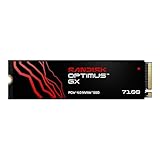
Black Friday Big Deal
SANDISK Optimus GX 7100 NVMe SSD 4TB, Up to 7,000MB/s Read Speeds | Up to 6,700 MB/s Write Speeds, PCIe Gen 4.0, M.2 2280, BiCS TLC 3D CBA NAND, SANDISK DASHBOARD, Internal Solid State Drive
−25% · Amazon reference price: £778.99
Verified 2026-11-28 09:27:28 UTC

Black Friday Big Deal
SANDISK Optimus GX PRO 850X 4TB NVMe SSD, PCIe 4.0, M.2 2280 | Up to 7,300MB/s Read Speeds, Up to 6,600MB/s Write Speeds, PCIe 4.0, TBW 2,400, Gaming Expansion storage
−25% · Amazon reference price: £895.99
Verified 2026-11-28 08:28:49 UTC

Black Friday Big Deal
SANDISK Extreme PRO Portable SSD 4TB with USB4, Up to 3,800MB/s Read Speeds | External Solid State Drive, Backwards compatible USB-C & Thunderbolt, IP65 Water & Dust Resistance, Up to 2M Drop Protection
−22% · Amazon reference price: £749.99
Verified 2026-11-28 08:40:31 UTC

Black Friday Big Deal
SANDISK Optimus GX PRO 8100 4TB PCIe 5.0 NVMe SSD, M.2 2280 | Up to 14,900MB/s Read Speeds, Up to 14,000MB/s Write Speeds, Next Gen TLC 3D CBA NAND, Up to 2,400TBW
−20% · Amazon reference price: £966.99
Verified 2026-11-28 08:01:53 UTC

Black Friday Big Deal
SANDISK Extreme Portable SSD 4TB, Up to 2000MB/s Transfer Speed(New Model) | External SSD, USB-C, IP65 Water & Dust Resistant, Up to 3M Drop Protection, 256-bit AES Encryption, Space for AI-content
−19% · Amazon reference price: £801.99
Verified 2026-11-28 08:28:49 UTC
Each card shows its last successful local Amazon check. Black Friday badges remain Black Friday badges until Amazon reports a different promotion. Reference prices and savings appear only when supplied by Amazon; the checkout price applies. As an Amazon Associate, Cloudzat earns from qualifying purchases.
Our recommendation
Choose Samsung 990 PRO 4TB for a compatible internal PCIe 4.0 NVMe system that needs substantial active storage. Crucial T500 4TB is the named alternative for the same general internal-drive role. Choose a Samsung T7 Shield 4TB instead when the requirement is a complete portable USB drive. Capacity alone does not make those internal and external products interchangeable.
For Cyber Monday 2026, Samsung 990 PRO 4TB is the internal-drive choice we would start with, and Crucial T500 4TB is the alternative. The capacity is useful for a large active library or projects that are inconvenient to move between drives. For a drive that must travel between computers, choose Samsung T7 Shield 4TB instead; it already includes the portable enclosure and USB connection.
Samsung 990 PRO 4TB and Crucial T500 4TB are M.2 2280 PCIe 4.0 NVMe choices. Buy the bare module for a suitable laptop or a desktop using its motherboard heatsink; choose a correctly sized heatsink version for a PS5 expansion. A computer with only a 2.5-inch SATA bay needs a different product such as Samsung 870 EVO. M.2 SATA, short handheld modules and complete portable USB drives are separate comparisons even when the capacity label matches.
For UK buyers, choose Samsung 990 PRO 4TB for a large internal working library. Choose the UK-supported package at the stated capacity and keep the heatsink or portable enclosure arrangement consistent. The SSD itself has no UK mains-plug variant; an external enclosure or powered accessory is a separate part of the setup. A direct local replacement route is useful for a drive carrying daily work.
Which option should you buy?
| Buying need | Recommended direction | Why it fits |
|---|---|---|
| Main use | Samsung 990 PRO 4TB | large internal NVMe working storage |
| Alternative use | Crucial T500 4TB | an alternative internal Gen4 configuration |
| Different workload | Samsung T7 Shield 4TB | portable USB storage |
| Different storage role | Samsung T7 Shield 2TB | Complete portable storage for a suitable USB connection |
| Different storage role | Samsung 870 EVO 1TB | A 2.5-inch SATA computer upgrade |
The configuration we would buy
A capacity example makes the purchase clearer: a 600GB existing installation plus a planned 500GB project library already exceeds a nominal 1TB drive before allowing for updates and working space. A 2TB configuration is the sensible next comparison in that situation. For a much smaller working set, the extra capacity may remain unused. Choose the interface first, then size the drive around the files that must stay active.
The decision starts with Samsung 990 PRO 4TB and a complete installation that suits the required role. Crucial T500 4TB is the named comparison, with its own capacity, configuration and support requirements. Keep the differences explicit: an alternative should earn its place through a useful feature or a better complete fit, rather than simply appearing beside the main product. The practical Cyber Monday purchase is a complete configuration that meets the actual workload, without paying for capacity or features that will sit unused.
Buy room for the files and the next step
Estimate the operating system, applications, current files and likely growth rather than choosing capacity from the discount percentage. Leave working room for updates, temporary files and active projects. The usable amount shown by an operating system will differ from the labelled decimal capacity; formatting also uses space. Compare one drive with another of the same actual capacity and role.
A two-drive bundle, an enclosure’s supported maximum and a single supplied SSD are different purchases. Larger versions of a family can have different performance, endurance and physical layouts, so check their own specifications. Consider the cost of replacing the drive again if it fills quickly, but avoid paying for a large unused tier without a reason. A useful deal gives the workload sufficient space at an acceptable complete cost, including any installation equipment and backup capacity.
The exact interface and cooling package to buy
For this internal-drive shortlist, Samsung 990 PRO 4TB and Crucial T500 4TB use the M.2 2280 NVMe format. They belong in a compatible PCIe slot with the 80mm mounting position, not a SATA-only M.2 socket or a short 2230-only handheld bay. A suitable older PCIe slot can impose a lower transfer limit, while a Gen4-capable system provides the intended interface class. Choose the right module first; paying for a larger capacity does not change its physical length or protocol.
For a desktop motherboard with its own M.2 cover, the bare drive is usually the cleaner purchase when that cover provides the intended cooling. For a slim laptop, use the supported bare-module arrangement with adequate clearance rather than a tall desktop heatsink. For PS5, buy an appropriate heat-dissipation assembly that fits the expansion bay. Samsung 870 EVO is the named 2.5-inch SATA alternative for a different computer connection, and Samsung T7 Shield is the complete portable USB alternative for moving files between machines.
Look beyond the short speed headline
Peak sequential transfer figures describe a particular test condition, not every file operation. Small files, application access, long writes and a nearly full drive can behave differently. Some SSDs use a fast write cache, after which sustained speed depends on the drive and workload. The host interface, source drive, cable and temperature can also limit a transfer.
A higher advertised number is therefore not a complete value comparison. Decide what you actually do: copy a few photographs, move large video projects, install games or run a write-heavy service. During setup, test a representative transfer without risking the only copy of important data. Buy the performance your complete system can use, rather than paying for a number the workflow never reaches.
Fit the SSD and its cooling as one package
Check the exact SSD variant and the host’s installation guide before choosing a heatsink. A motherboard cover, a console cooling assembly and a portable drive’s case are different arrangements. A factory heatsink can make an otherwise compatible module too tall for a laptop or compact computer; a bare version may require the host’s specified thermal pad and cover. Compare the assembled height and the clearance above and below the drive, including double-sided modules. Follow the documented pad thickness and placement rather than stacking extra material. For a portable SSD, leave its case exposed as intended and avoid enclosing it in an insulating pouch during a long transfer. Sustained speed can change as the drive warms, so check a representative workload after installation. Include any required cooling hardware in the Cyber Monday basket total. The right purchase fits safely and operates within the manufacturer’s instructions without an improvised modification.
Decide where important files will exist if the new SSD fails, is lost or is accidentally erased. A second partition on the same physical device does not provide protection against that device’s failure. Keep a separate copy and verify that you can restore useful files from it. Portable drives can be convenient for moving projects, but carrying the only copy exposes the work to loss as well as hardware faults. For a large SSD, consider the time and capacity needed to back it up before filling it. Encryption can help protect portable data, but retain the recovery information somewhere appropriate and separate. A manufacturer warranty normally concerns the product rather than the value of its contents. Including backup in the purchase plan makes the Cyber Monday upgrade more dependable without pretending any particular brand is immune to failure.
Read the conditions for the exact model
Compare the manufacturer’s warranty terms for the actual capacity and regional purchase. Some SSD warranties end when either a time limit or a specified endurance limit is reached. Registration, seller eligibility and proof of purchase may also matter. A long warranty is not a promise that data can always be recovered, and replacement hardware does not restore lost files. Keep independent backups of anything important. Check where firmware updates and diagnostic tools come from and whether they support the chosen drive. Avoid copying warranty claims from another product in the same brand. If the listing is unclear, obtain the terms before purchase and retain the invoice and serial number. Support that is practical for your location can be worth more than a modest price difference, especially for a drive that will hold active work or operate in a difficult-to-service system.
A useful SSD upgrade has room for the operating system, installed applications and the files that need to stay immediately available. A game library and a video-editing scratch area can consume capacity in quite different ways. A larger drive reduces the need to move files between devices, but it does not make a slow connection faster. Prefer the capacity that leaves working room after your existing data has been copied, rather than planning to fill the new drive on the first day. Keep archived projects on a separate appropriate storage tier when they do not need fast access.
The connection determines the useful upgrade
An M.2 connector is a physical form factor, not a guarantee that every M.2 drive works. SATA and PCIe NVMe use different protocols, and supported module lengths also vary. A 2.5-inch SATA drive needs the appropriate data and power connections, while a portable SSD is a complete USB device. Choose the internal drive for an internal expansion job and the portable drive for moving files between machines. An empty enclosure is a component of an external-drive build, not an SSD with storage included.
Large transfers can behave differently from small benchmark-style bursts. The drive’s temporary write cache, available free space and temperature can affect sustained work, so peak advertised read speed is not the same as a guarantee for copying a whole project library. A compatible heatsink can help an internal drive manage heat, but a tall desktop heatsink may not fit a laptop or console. Use the host’s intended cooling arrangement and avoid buying two incompatible heatsinks for the same module. For portable drives, the cable and enclosure are part of the thermal and connection design.
Keep the previous drive useful during migration
A new working SSD should not become the only copy of important data during a computer upgrade. Keep the old drive intact until the operating system, applications and files work from the replacement. An external SSD holding the only copy of a project is working storage, even if the product name includes a backup theme. A second independent copy provides a different protection role. Capacity decisions should account for both the active workspace and recoverable files, especially when the machine is used for paid work or family archives.
For a computer that already starts and opens applications comfortably, extra capacity may be more useful than a faster interface generation. A compatible PCIe drive can operate within the limits of the slot it uses; the higher number on the package does not upgrade the motherboard. Likewise, a fast portable model on a slower USB path cannot deliver its best-case headline speed. Choose the simpler sufficient drive when the premium option would leave the same host bottleneck in place. Spend the difference on useful capacity or backup rather than a capability the current system cannot use.
Questions answered
Which 4TB SSD should I buy?
Start with Samsung 990 PRO 4TB when it fits the connection and workload described in this guide. The named alternative is Crucial T500 4TB. Keep the exact capacity, condition and included components equal where they serve the same role; choose a different product type only when the installation itself calls for it.
Is a higher advertised speed always worth paying for?
No. The host interface, workload and cooling determine how much of that capability is useful. A fast drive can be valuable for large active projects, but a capacity upgrade may be more noticeable in an already responsive everyday computer. Compare drives that fit the same connection and thermal arrangement before choosing a higher performance tier.
Is a heatsink automatically included?
No. Heatsink and bare-module versions can share the same drive family name. A desktop motherboard may already provide a suitable cover, while a laptop can have very little clearance. The right purchase is the exact assembly that fits the host, rather than whichever package appears to contain more metal.
Can a portable SSD replace an internal drive?
It can store files externally, but it is a different installation. Operating-system boot support, console game storage and application placement depend on the host. Choose the drive for the required role: an internal NVMe upgrade, a 2.5-inch SATA replacement and a USB portable drive are not equivalent purchases.
How much space should remain free?
Leave practical working room for application updates, temporary files and growing projects rather than filling the drive immediately. The right allowance depends on the workload. If your present data nearly fills the advertised capacity, the next capacity tier can be the more durable purchase even when the smaller drive has a lower total cost.
Does a new SSD remove the need for backup?
No. Flash storage can still fail or be affected by accidental deletion, theft or a damaged computer. Keep important files in another recoverable location. A faster working drive improves access to data; backup provides a separate recovery function, so the two belong in different parts of the storage plan.
Sources and specifications
- 870 EVO SATA 2.5 inch 4TB SSD | Samsung US
- Samsung Electronics’ 4TB SSD 990 PRO Series Brings Ultimate Performance and Capacity for Gamers and Creators – Samsung Newsroom U.K.
- XS2000 External SSD – 500GB – 4TB – Kingston Technology
- NV3 PCIe 4.0 NVMe SSD 500GB – 4TB – Kingston Technology
- Kingston FURY Renegade – High-performance PCIe 4.0 NVMe M.2 gaming SSD – Kingston Technology